
How to Play the Crash Game: A Beginner's Flight Plan
Everyone starts as a beginner, and this guide is written for that beginner. By the time you reach the end of the page, you will know how to get from a blank screen to a banked win — calmly, safely and without the jargon. We cover choosing a platform, making a deposit, using the controls, timing your cash-out and finally withdrawing your winnings.
Before You Begin: A Quick Mindset Check
Before we touch a single control, it is worth setting the right frame of mind, because the players who enjoy this game most are the ones who treat it correctly from the start. This is entertainment, not employment. Decide, right now, on a budget you are entirely comfortable losing — think of it like the cost of a cinema ticket or a night out. Once that figure is set, you can relax and enjoy the experience for what it is: a fast, beautifully animated game of chance with the occasional thrilling payout.
It also helps to understand that the game is fundamentally a game of luck. The flight you watch is the visual result of a random number that was locked in the instant betting closed. Nothing you do mid-flight changes the outcome. Accepting this early removes a great deal of frustration and lets you focus on the parts you genuinely control — your stake, your target and your discipline.
Step 1 — Choosing the Right Platform
Your experience begins long before the propeller turns. It begins with picking a trustworthy home for your play. For Canadian players, the checklist is short but vital. Look for a casino or instant-game site that holds a recognised licence and is permitted to serve players in your province. Confirm that it supports Canadian dollars so you are not fussing with currency conversion, and check that responsible-gambling tools — deposit limits, time-outs, self-exclusion — are clearly visible. A reputable platform makes these tools easy to find rather than hiding them away.
It is equally wise to read a few independent reviews and to test the support channel with a simple question before depositing. A quick, helpful reply is a good sign; silence is a red flag. Spending ten minutes on due diligence now can save you a great deal of hassle later.
Step 2 — Registering and Verifying Your Account
With a platform chosen, registration is straightforward. You will provide your name, email, date of birth and contact details. Use accurate information — this is not the place for nicknames — because the platform will verify it before processing any withdrawal. That verification step, often called KYC (Know Your Customer), is a legal requirement designed to protect both you and the operator from fraud. Having a clear photo of your ID ready will make the whole process glide along in minutes rather than days.
Step 3 — Making Your First Deposit
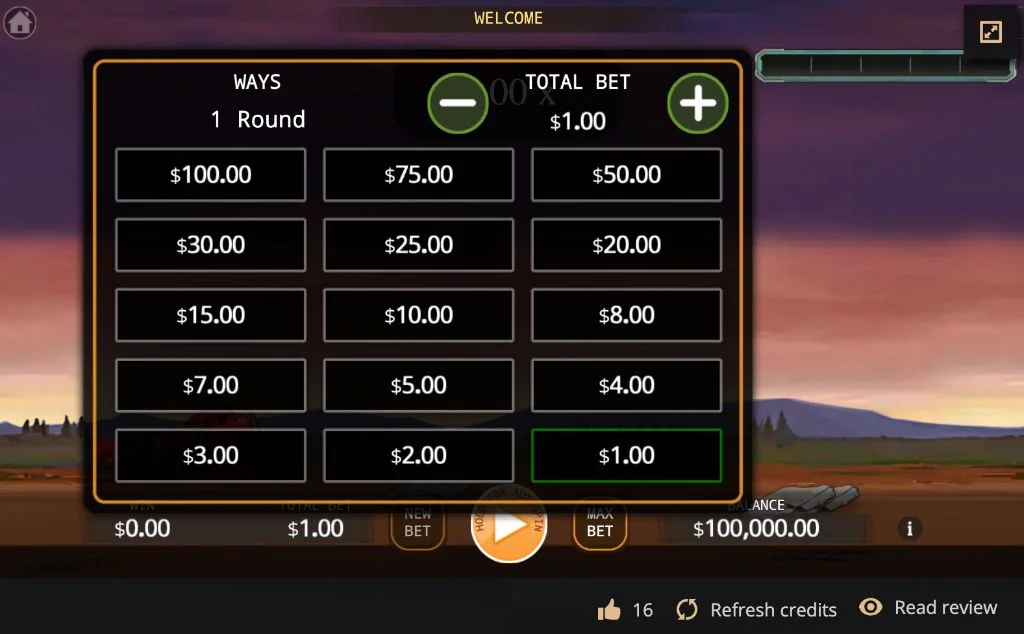
Now fund your account. Canadian platforms typically accept Interac e-Transfer, debit and credit cards, e-wallets and a range of cryptocurrencies. Whichever you pick, start small. There is no advantage to depositing a large sum on day one, and a modest balance keeps things comfortable and fun. You can always top up later if you decide you are enjoying yourself.
Step 4 — Opening the Game and Reading the Controls
Search the casino lobby for the title, launch it, and resist the urge to start betting immediately. Instead, open the in-game information panel and give it a quick read. You will find a clear summary of the rules, the multiplier behaviour and the bet limits. Two minutes here pays for itself many times over, because you will never be caught off guard once real stakes are in play.
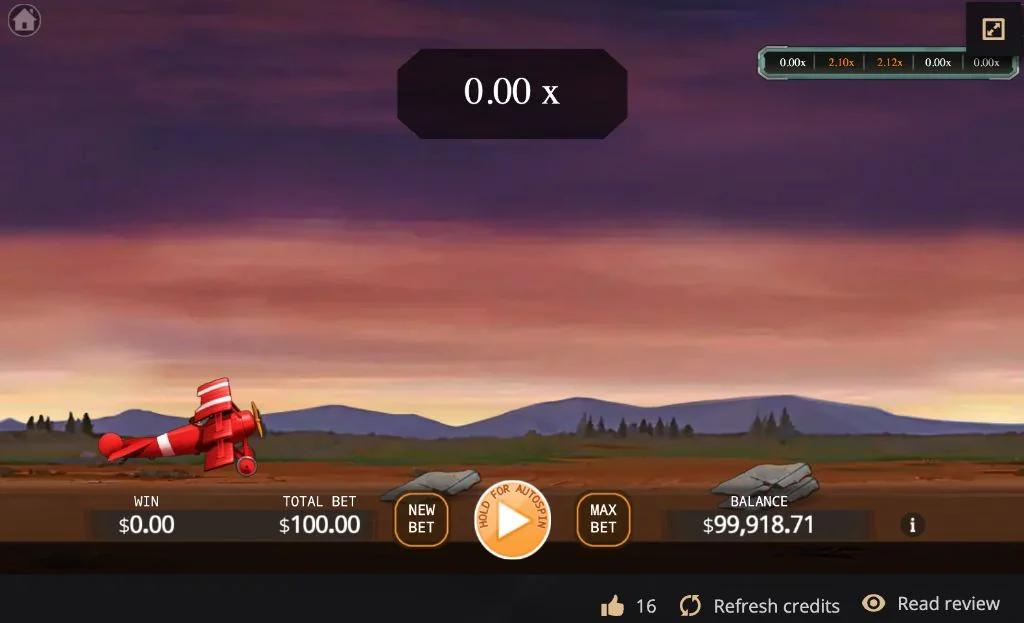
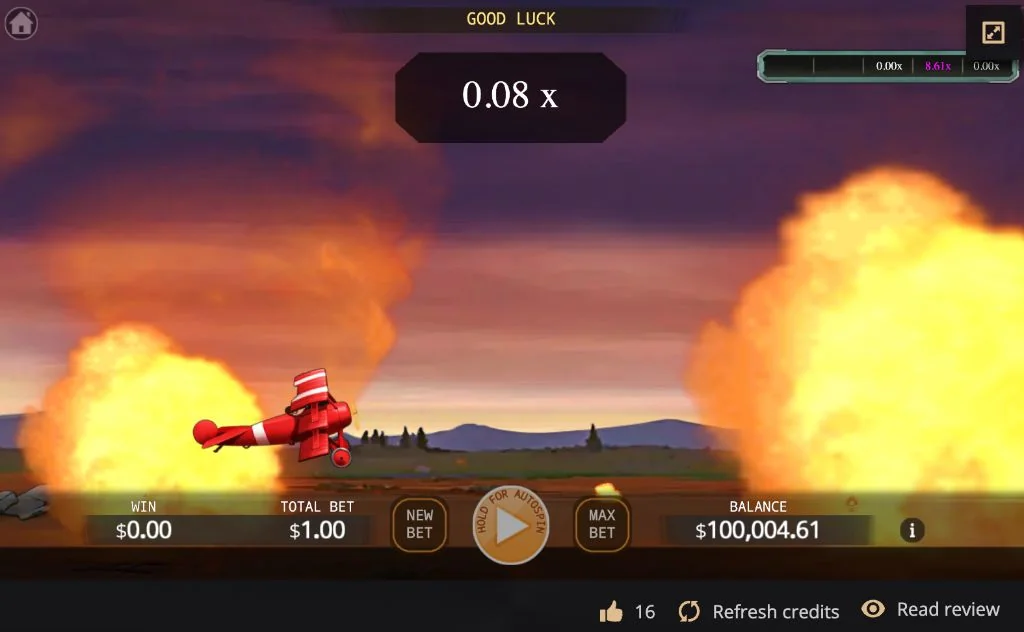
Take a moment, too, to locate the key on-screen elements: the multiplier display in the centre, the stake controls along the bottom, the cash-out button and the history strip showing recent results. Familiarity with the layout means your attention can stay on the decision that matters rather than hunting for buttons.
Step 5 — Placing Your Stake (and Using Three Bets)
Here is where strategy first enters the picture. At its simplest, you choose an amount and place a single bet. But the game allows up to three independent stakes in the same round, and learning to use them is one of the biggest steps up from beginner to confident player.
A popular beginner-friendly setup is to place one small bet with a low automatic cash-out target — say 1.40× — which banks a steady, modest profit most of the time. Alongside it, you place a second, braver bet with a higher target, left to chase a larger payout. The safe bet smooths out your session while the brave bet keeps the excitement alive. It is a gentle introduction to managing risk, and it teaches the core lesson of every crash game: balance.
Step 6 — Pressing Play and Watching the Climb
When the betting window closes, the aircraft rumbles down the runway and lifts into the sky. The multiplier begins its climb. This is the moment that defines the game — a few seconds of mounting tension as the number rises and you weigh up whether to secure your win now or hold on for more. Stay calm: you set your targets for a reason, so trust them.
Step 7 — The Art of the Cash-Out
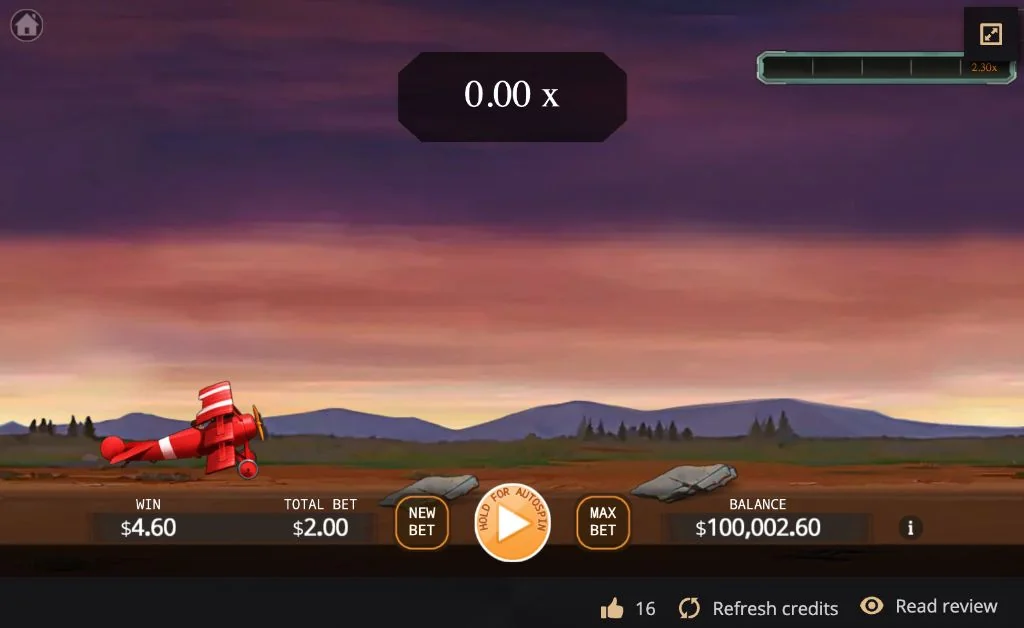
Cashing out is the whole game in a single tap. Press it and your stake is multiplied by the figure on screen, and that amount is yours. Wait too long, though, and the round can end — taking any unsecured stake with it. The urge to hold on "just a little longer" is strong, and it has cost a lot of players their winnings. The fix is simple: decide your target in advance and stick to it. A run of small, secured wins will usually serve you better than chasing the rare giant multiplier and watching it get away.
Step 8 — Withdrawing Your Winnings
When you have had your fun and built up a balance, withdrawing is the satisfying final step. Head to the cashier, choose your withdrawal method — ideally the same one you deposited with — and enter the amount. The licensed platform will process the request, usually within a window stated in their terms. Crypto withdrawals often clear fastest; bank transfers can take a little longer. Then comes the most important step: walk away while you are ahead. Banking a win and stopping is what a player in control actually does.
A gentle reminder: You must be of legal gambling age in your province (19+ in most of Canada; 18+ in Alberta, Manitoba and Quebec). Set deposit and time limits, and treat every dollar staked as money spent on entertainment. If play ever stops feeling fun, free, confidential help is available through ConnexOntario and the Responsible Gambling Council.
Understanding the Triple-Bet System in Depth
Because the three-bet feature is the part newcomers most often misunderstand, it deserves a closer look. Think of the three bet slots as three separate passengers on the same flight, each with their own plan for when to jump out. They all rise together as the multiplier climbs, but they cash out independently — so a single round can produce a small secured win, a medium one and a loss all at once. That blend is exactly the point: it spreads your exposure across different outcomes instead of pinning everything on one moment of nerve.
A practical way to picture it is the "anchor, sail and kite" arrangement. The anchor is a low-target bet — around 1.3× to 1.5× — that hits very frequently and quietly keeps your balance ticking along. The sail sits in the middle, perhaps 2× to 3×, offering a meaningful return when the flight runs a little longer. The kite is your dreamer: a small stake left to chase a high multiplier, fully expecting to lose it most of the time but delighted on the rare occasion it soars. You will not win every round, but this structure makes your sessions smoother and far less likely to swing wildly between extremes.
Importantly, you do not have to use all three slots. Many experienced players stick to two, and complete beginners are wise to start with a single bet until the rhythm of cashing out feels natural. Add a second or third bet only when the basics feel easy — there is no prize for over-complicating your first few sessions.
Playing on Mobile
A great many Canadian players will only ever experience this game on a phone, and the good news is that the mobile build is every bit as capable as the desktop one. The layout reshuffles sensibly for a vertical screen: the multiplier dominates the upper portion, while the stake and cash-out controls sit within easy thumb reach at the bottom. Because rounds move quickly, that reachability matters — a cash-out button you can hit instantly without shifting your grip is worth more than any clever strategy.
Two small habits make mobile play far more pleasant. First, play on a stable connection; a dropped signal during a round is frustrating and can mean a missed cash-out, though reputable platforms will honour an auto-cash-out target even if your screen stutters. Second, enable the auto-cash-out feature whenever you play on the move, so a notification or a moment of distraction never costs you a banked win. Treat auto-cash-out as your co-pilot — it does the disciplined thing automatically while you simply enjoy the ride.
Quick Beginner Questions
How long does a single round last? Usually only a handful of seconds — from take-off to the final multiplier. That brevity is part of the appeal, but it is also why a clear pre-set target beats split-second decision-making.
Can I lose more than my stake? No. The most you can lose in any round is the amount you bet. There is no borrowing, no multiplier of your losses — your downside is always fixed and known before the flight begins.
Do I need to watch every second? Not if you set automatic cash-out targets. With targets in place you can let the game run on autopilot and simply check the results, which many players find both calmer and more disciplined than manual cashing out.
Common Beginner Mistakes to Avoid
A few predictable pitfalls trip up almost every newcomer, so here they are. The first is chasing losses — increasing your stake after a bad run in the hope of "winning it back". This is the fastest route to an unhappy session and breaks the cardinal rule of treating the game as entertainment. The second is ignoring the auto-cash-out feature; setting a target and letting the game enforce it removes emotion from the equation. The third is playing tired, distracted or after a frustrating day, when discipline is at its weakest. Recognise these traps and you will already be ahead of most beginners.
You Are Cleared for Take-Off
You now know every step from sign-up to cash-out. Sharpen your timing in the free demo first, then take the controls for real whenever you feel ready.
Practise in the DemoLast reviewed and updated: June 2026 — written and checked by our editorial team. See our About & editorial policy.