
Strategy and a Fair Competitor Comparison
The most important point on this page is simple: no strategy can beat a certified random number generator. Anyone selling you a "guaranteed system", a "predictor" or a "hack" is selling a fiction. What sensible play does offer is more modest but genuinely useful — a way to manage your money, control your risk and make your entertainment budget last longer while keeping things enjoyable. That is what this page covers, alongside an honest look at how the game compares to its rivals.
The key idea: Strategy in a crash game is about risk management, not outcome prediction. You cannot change the maths — but you can change how well you handle it.
Understanding the Maths Before the Strategy
Every sensible approach begins with accepting two facts. First, the game carries a theoretical return of around 97%, leaving a house edge of roughly 3%. Over a very large number of rounds, the maths slowly favours the house. Second, each round is independent of the last. A long streak of early endings does not make a big multiplier "due", and a run of wins does not mean your luck is about to turn. Each round has no memory of the one before. Keep these two facts in mind and you will avoid the gambler's fallacy that drains a lot of bankrolls.
Bankroll Management: The Part That Matters Most
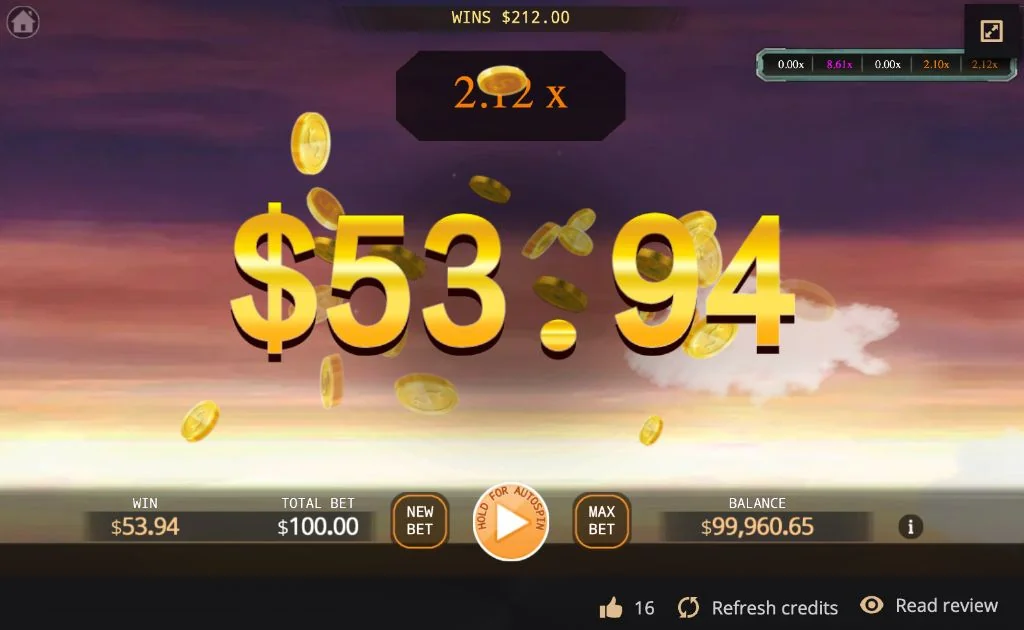
If you take one thing from this page, take this. Before you play, decide on a session budget — an amount you are completely happy to lose. Divide it into small units; a common guideline is to make each bet no more than 1–2% of your total session bankroll. With a $50 budget, that means stakes of around fifty cents to a dollar. This simple discipline does two things: it dramatically extends your playing time, and it protects you from the impulsive, oversized bets that wreck a session in seconds.
Equally important is setting a stop-loss and a stop-win. A stop-loss is the point at which you walk away if things go badly — perhaps when half your budget is gone. A stop-win is the point at which you walk away ahead, banking your profit rather than feeding it back. Of the two, the stop-win is the one players most often ignore — and it is the difference between sometimes leaving with a profit and never doing so.
Practical Approaches You Can Try
With the maths and bankroll rules firmly in mind, here are a few sensible styles of play. None of them improves your odds — remember, nothing can — but each shapes the experience in a different way, letting you pick the rhythm that suits your temperament.
The conservative low-multiplier approach
Here you aim for frequent, small wins by setting a low automatic cash-out — somewhere around 1.30× to 1.50×. You will win the majority of rounds, each by a modest amount. This style produces a calm, steady session with shallow swings, and it suits players who prefer steady play over chasing a big payout. The trade-off is that the occasional early-ending round can wipe out several small wins at once, so keeping your stake size sensible still matters.
The balanced triple-bet approach
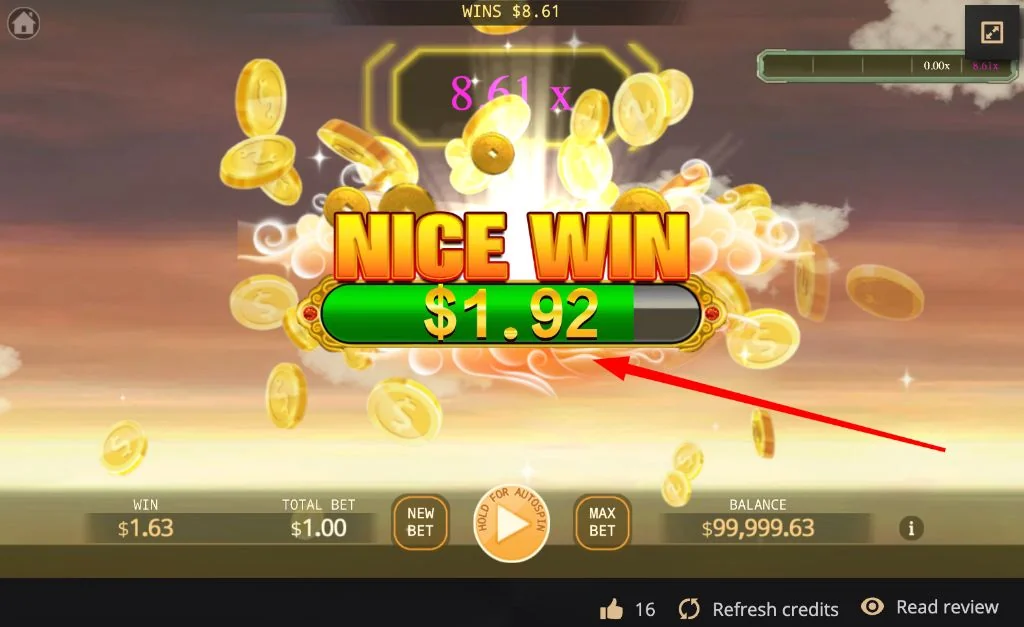
This is where the three-bet feature earns its keep. You place one small, safe bet on a low auto-cash-out to bank steady profit, and a second, braver bet aimed higher to chase a more satisfying win. A third bet can sit somewhere in between. The safe bet cushions the session while the brave bet keeps the excitement alive. For most players, this balanced split offers a good mix of entertainment and control, and it is the approach we most often suggest to newer Canadian players.
The cautious high-risk dabble
If chasing a high multiplier appeals to you, set aside a small, fixed part of your budget — never more — to aim for it with a high cash-out target. Treat these bets like lottery tickets: most will miss, the occasional one will pay off. The rule is simple — this fund must be money you are fully prepared to lose.
Why "systems" like Martingale are dangerous: Doubling your stake after every loss feels logical, but a short losing streak can balloon your bets to amounts that blow your entire budget — and table limits will stop you before the maths "recovers". Avoid progressive-doubling systems. Flat, disciplined staking is safer and far less stressful.
How the Game Compares to Its Rivals
The instant-game category is fiercely competitive, so it is fair to ask how this title measures up against the household names. Below is a balanced comparison across the features Canadian players tell us matter most. We have kept it honest — where a rival is equal or better, we say so.
| Criterion | This biplane title | Rocket-style classic | Plane-landing rival |
|---|---|---|---|
| Theoretical RTP | 97% | ~97% | ~97% |
| Maximum multiplier | Up to 20,000× | Lower ceiling | Often capped (e.g. 1,000×) |
| Simultaneous bets | 3 | 2 | 1–2 |
| Theme & visuals | Rich, hand-painted | Minimalist graph | Themed |
| Free demo | ✔ | ✔ | ✔ |
| Social / shared rounds | Individual | ✔ Shared | Individual |
| Crypto-friendly | ✔ | ✔ | ✔ |
The answer depends on what you want. If you enjoy watching a whole table ride the same round together, a shared rocket-style classic may appeal more. If you want a high payout ceiling, the flexibility of three bets and a game with more personality, the biplane comes out ahead. And if you prefer a gentler, lower-ceiling experience, a plane-landing rival might suit you better. There is no single "best" — only the best fit for your taste. What is clear is that on payout potential, bet flexibility and visuals, this title is consistently near the top.
Choosing the Right Cash-Out Target
One question players ask constantly is what cash-out figure they "should" aim for. The honest answer is that there is no magic number, because the underlying maths is the same whichever target you pick — a higher target hits less often but pays more when it does, while a lower target hits frequently for smaller amounts. The two balance out over the long run. What the choice really controls is the shape of your session, not its expected value.
A low target near 1.3× to 1.5× produces a smooth, low-variance experience: you win most rounds by a little, and your balance drifts gently up and down. A target around 2× to 3× introduces more excitement and bigger swings, with losses and wins arriving in clumps. A high target of 10× or more turns each round into a near-lottery — long droughts punctuated by the occasional thrilling hit. None is "correct"; the right choice is simply the one whose rhythm you enjoy and whose swings your bankroll can comfortably absorb. Pick deliberately, then stick to it rather than lurching between styles round to round, because indecision is itself a costly habit.
Managing the Session and Your Emotions
Strategy is not only about numbers; it is also about the player behind the screen. Fast, exciting games are designed to keep you engaged, and the very pace that makes them fun can also erode your judgement if you are not careful. The simplest safeguard is the clock: set a time limit before you begin and treat it as seriously as your money limit. When the timer is up, stop — regardless of whether you are ahead or behind. Many platforms offer session reminders for exactly this reason, and switching them on is a quiet sign of a player in full control.
Be honest, too, about your emotional state. Playing to escape stress, to chase a loss or to recover a bad day almost never ends well, because those are precisely the moments your discipline is weakest. The best sessions happen when you are relaxed, clear-headed and playing purely for entertainment. If you notice yourself feeling tense, frustrated or compelled to keep going, that is the signal to close the game and come back another time. The game will still be there tomorrow; your bankroll, treated with respect, will be too.
Strategy Mistakes That Quietly Drain Bankrolls
Even players who know the rules fall into predictable traps. Chasing losses tops the list: after a bad run, the urge to "win it back" with bigger bets is powerful and almost always destructive. Ignoring your own stop-win is a close second — letting a healthy profit erode back to nothing because you could not bring yourself to stop. Playing while tired, frustrated or under the influence weakens the very discipline your strategy depends on. And finally, believing in patterns that are not there — the idea that a big multiplier is "overdue" — leads to reckless, oversized bets. Watch for these traps and your sessions will be calmer and last longer.
Strategy Starts in the Demo
Test your bankroll plan and cash-out targets with virtual chips first. When your discipline holds in the demo, it will hold for real.
Try Your Strategy FreeLast reviewed and updated: June 2026 — written and checked by our editorial team. See our About & editorial policy.